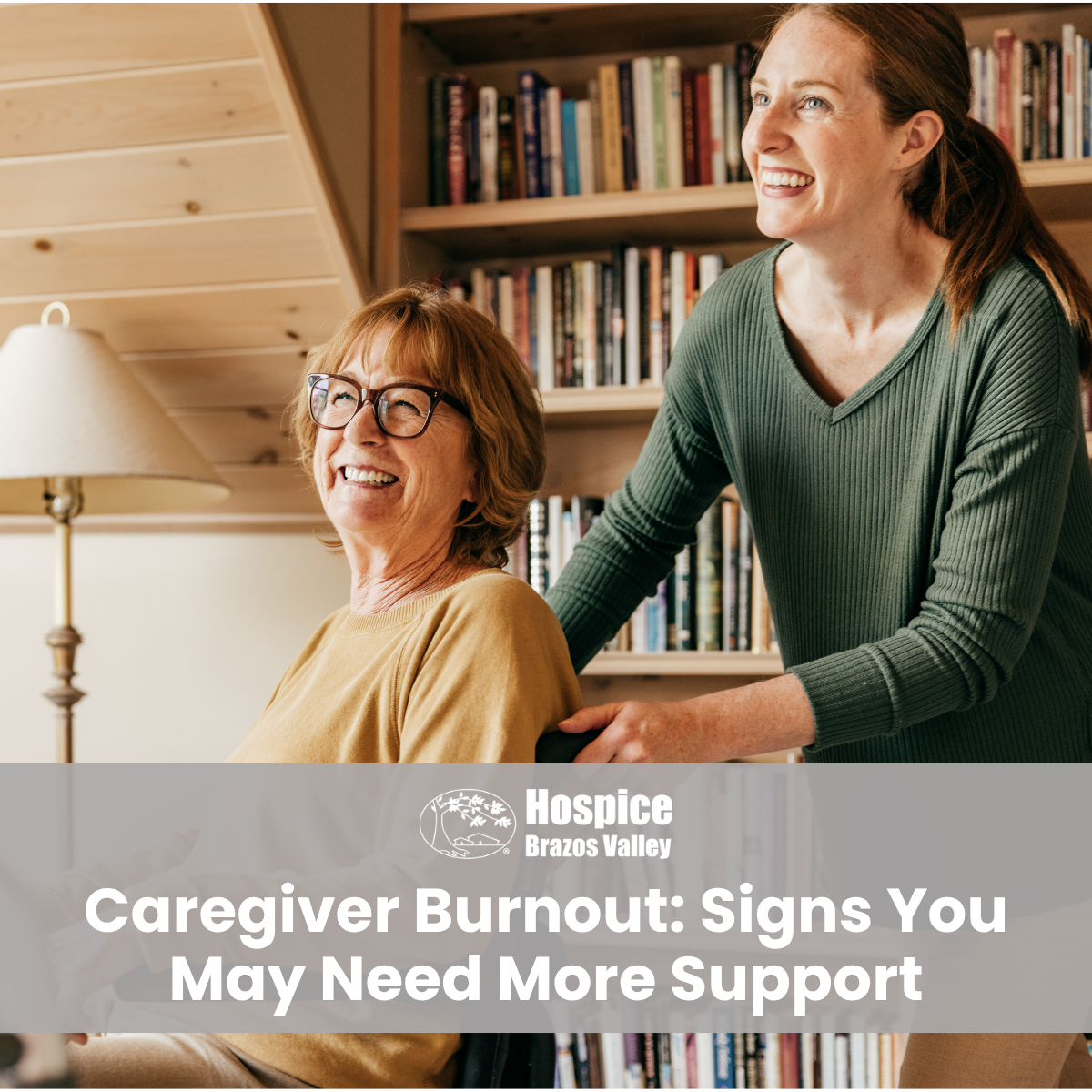
The journey of a life-limiting illness can feel overwhelming for everyone involved. Families often find themselves balancing emotional stress, medical decisions, and changes in daily routines. This is when hospice support becomes an essential resource. It is a special kind of care designed to bring comfort, dignity, and understanding during the end of life. Hospice Brazos Valley is dedicated to supporting individuals and family members with compassionate and expert care so no one has to walk this road alone.

Enhancing Quality of Life Through Compassionate Care
The primary goal of hospice services is to improve the quality of life for patients who have a terminal illness or a limited life expectancy. Instead of focusing on curative treatments, hospice focuses on comfort, emotional well-being, and meaningful moments. This shift in care allows patients to spend more time surrounded by the people and environments they love.
By providing comfort care, hospice ensures that patients remain as pain free and peaceful as possible. Support is personalized to meet the unique needs of each individual, which helps maintain dignity and control during a vulnerable time.
A Dedicated Care Team for Patients and Families
Hospice care is delivered by a dedicated care team made up of skilled hospice nurses, a hospice doctor, certified nursing assistants, chaplains, volunteers, and social workers. Each staff member plays a role in supporting both the patient and their family.
- Hospice nurses provide ongoing assessments, medication support, and education.
- The hospice doctor oversees the care plan and guides the medical team.
- Social workers assist with emotional needs, family communication, and planning.
- Chaplains provide spiritual support that aligns with each patient’s beliefs and values.
This collaborative hospice team works together with the patient’s existing healthcare provider to deliver seamless and coordinated medical care.
Symptom Management and Pain Relief
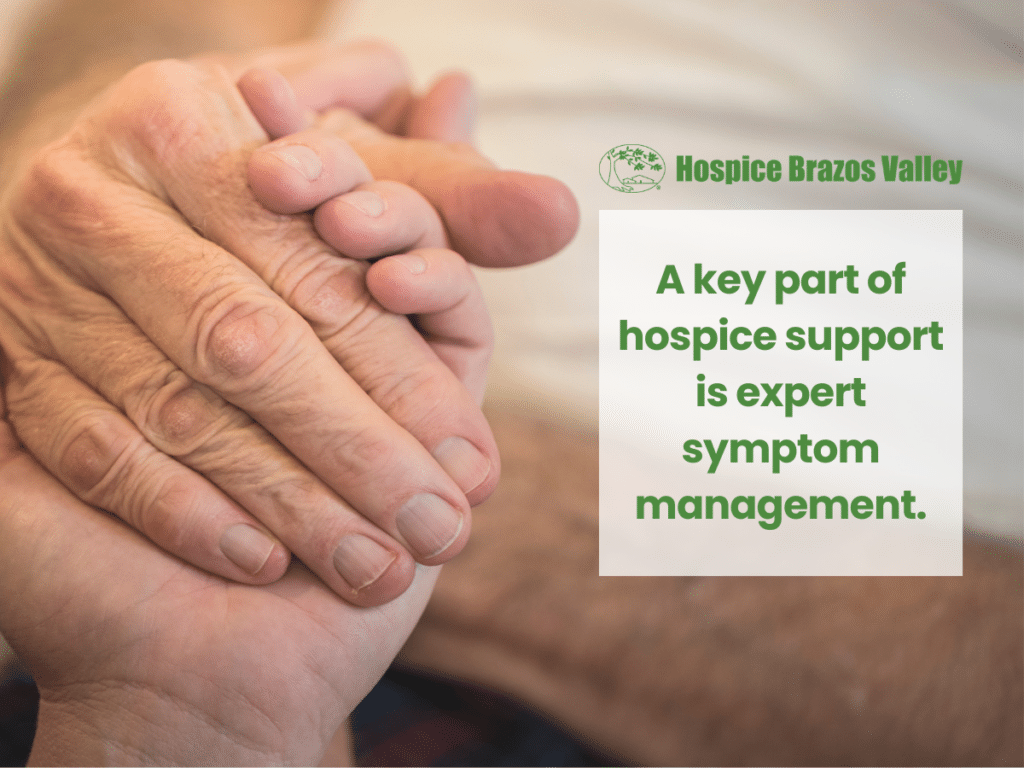
A key part of hospice support is expert symptom management. Patients may experience pain, shortness of breath, nausea, anxiety, or other physical challenges related to their conditions. Hospice professionals focus on effective pain management and pain relief, using medications and non-medical comfort techniques to ease discomfort.
This level of attentive care helps patients remain calm and comfortable, which also brings peace of mind to their loved ones.
Emotional and Spiritual Support
Facing the end of life often brings deep emotional challenges. Hospice support includes emotional support for both patients and families. This may involve counseling, guided conversations, or simply having someone present who understands what they are going through.
For those who seek it, spiritual support is available to bring comfort, connection, and meaning. The goal is not to direct beliefs but to uplift the individual through their own faith system or personal values.
Personal Care and Daily Support
In addition to medical oversight, hospice provides personal care so patients can remain clean, comfortable, and supported with dignity. This may include help with bathing, grooming, mobility, and daily routines.
These services also give family members a chance to rest while knowing that their loved one is receiving high quality and respectful assistance.
Respite Care for Family Members
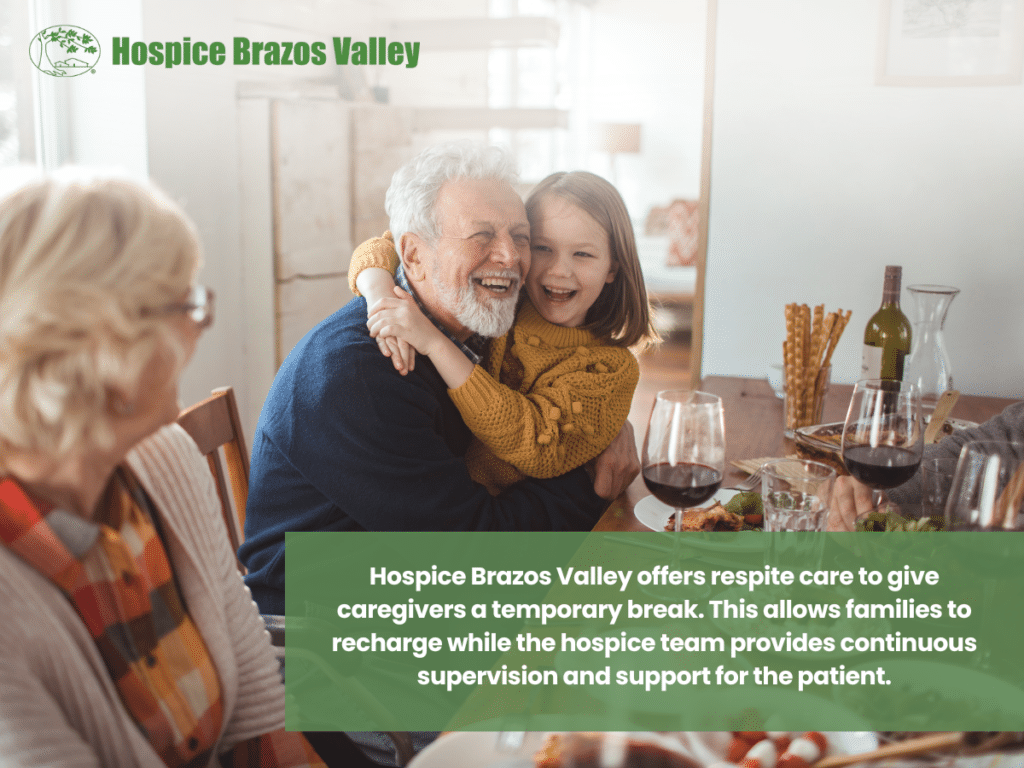
Caring for a loved one can be physically and emotionally draining. Hospice Brazos Valley offers respite care to give caregivers a temporary break. This allows families to recharge while the hospice team provides continuous supervision and support for the patient. Respite care is often a critical resource for those who have been providing care around the clock.
Bereavement Support for the Healing Journey
Compassionate care does not end when a patient passes away. Hospice support includes comprehensive bereavement support for family members as they adjust to life after loss. Grief counselors and support groups provide guidance, coping strategies, and a safe space to talk through emotions.
This continued care helps families process their loss in a healthy and supported way.
Choosing the Right Level of Care
Selecting hospice is an important decision, and understanding the appropriate level of care is essential. Hospice is about making the right choice when the focus becomes comfort rather than cure. Patients can receive hospice support at home, in assisted living communities, or in specialized inpatient settings, depending on their needs.
A compassionate hospice provider like Hospice Brazos Valley can help guide families toward the level of care that best fits their situation.
FAQs
Below are common questions families ask when considering hospice care. These answers also help highlight important aspects of hospice services and how they support those at the end of their life.
What is hospice support?
Hospice support is a form of end-of-life care that focuses on comfort, dignity, and emotional well-being for those facing a terminal illness or a life-limiting illness. Instead of trying to cure the illness, hospice provides compassionate care that improves the patient’s quality of life.
How do hospice services work with my healthcare provider?
If you choose hospice works alongside your current healthcare provider to create a coordinated plan of care. The hospice doctor and hospice nurses communicate with your physician to ensure seamless care, consistent medical guidance, and appropriate symptom management.
Does hospice only offer medical care?
No. Hospice care includes much more than medical services. Patients benefit from personal care, emotional support, and spiritual support. Families also receive guidance from social workers, access to counseling, and ongoing bereavement support after the loss of a loved one.
How does hospice manage pain and symptoms?
The hospice team is highly trained in pain management and pain relief techniques. They adjust medications, monitor symptoms, and use comfort-based approaches to ensure the patient remains as peaceful and stable as possible.
Can hospice help my family too?
Yes. Hospice support is designed for both patients and their family members. Families receive counseling, education, respite options, and emotional guidance. Respite care is also available to give caregivers time to rest.
When is the right time to choose hospice?
Many families wait too long to consider hospice because they are unsure about eligibility. Hospice is appropriate when a patient has a terminal illness or reduced life expectancy, and when the goal of care has shifted from cure to comfort. Choosing hospice early helps patients and families benefit fully from supportive services.
Where is hospice care provided?
Hospice care can be provided at home, in nursing facilities, assisted living centers, or inpatient hospice units. The hospice provider will help determine the best level of care based on the patient’s unique needs.