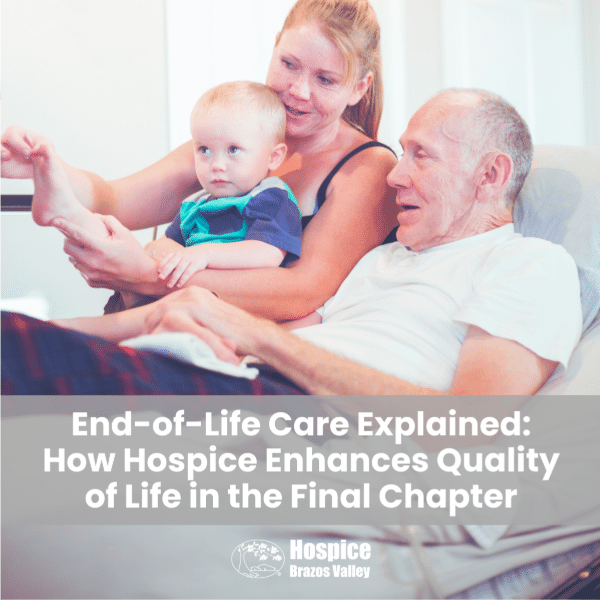
When someone is facing a serious illness or a terminal illness, both patients and family members often navigate overwhelming emotions, complex care needs, and life-changing decisions. Hospice Brazos Valley provides hospice services designed to offer compassionate support, expert medical care, and emotional comfort at this delicate stage of life. Hospice isn’t about giving up hope—it’s about focusing on dignity, comfort, and connection.

What Hospice Services Provide
Hospice services are a specialized form of end-of-life care available to people with a life expectancy of six months or less, as determined by a hospice doctor. Rather than pursuing curative treatments, a hospice program centers on symptom control, pain relief, and quality of life. Care is delivered by a dedicated hospice care team—including hospice nurses, social workers, hospice aides, spiritual counselors, and bereavement counselors—who collaborate to create an individualized care plan for each patient and their family.
A Collaborative Hospice Care Team
Every hospice provider builds a compassionate and skilled team around the patient’s needs:
- Hospice nurses manage pain and symptoms, coordinate medications, and oversee medical care.
- Hospice aides provide personal care such as bathing, grooming, and daily assistance.
- Social workers help families navigate decisions, secure resources, and access support services.
- Spiritual counselors offer spiritual support respecting each individual’s beliefs.
- Bereavement counselors and grief specialists provide grief support before and after a loss.
- A hospice doctor ensures the patient’s care plan prioritizes comfort and pain management.
This team works together to meet not only physical needs, but also emotional and spiritual ones.
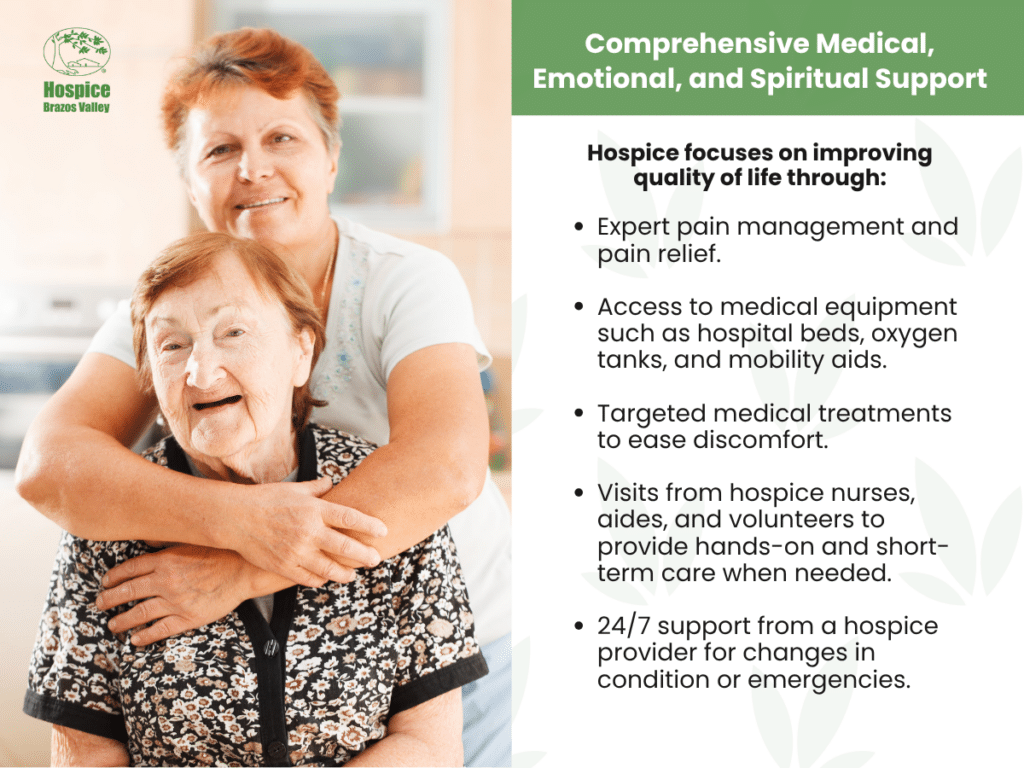
Comprehensive Medical, Emotional, and Spiritual Support
Hospice focuses on improving quality of life through:
- Expert pain management and pain relief.
- Access to medical equipment such as hospital beds, oxygen tanks, and mobility aids.
- Targeted medical treatments to ease discomfort.
- Visits from hospice nurses, aides, and volunteers to provide hands-on and short-term care when needed.
- 24/7 support from a hospice provider for changes in condition or emergencies.
Patients and families receive emotional support through counseling, grief support, and open communication. Hospice acknowledges that end of life is a deeply emotional journey.
Spiritual Support and Human Connection
Many people reflect on their lives and beliefs during end-of-life care. Hospice provides spiritual support to meet those needs, whether through prayer, conversation, rituals, or quiet companionship. This care is always patient-led and respectful of personal values.
Supporting Family Members
Caring for a loved one with a terminal illness is emotionally and physically demanding. Hospice supports family members through:
- Education on the disease process and what to expect.
- Training to safely provide personal care.
- Respite care to allow caregivers time to rest.
- Bereavement counselors and grief support to help families cope before and after a loss.
- Connections to community support services.
Families are never left to carry the burden alone—hospice provides the resources and reassurance they need.
Levels of Hospice Care
Because every situation is unique, there are different levels of hospice care:
- Routine home care – The most common level, with regular visits in the patient’s home or skilled nursing facility.
- Continuous home care – Around-the-clock nursing support and medical care for patients with acute symptoms.
- Inpatient care – Short stays in a facility when symptoms cannot be managed at home.
- Respite care – Temporary stays that give family members a chance to rest and recharge.
These flexible levels allow care to adapt as needs change.
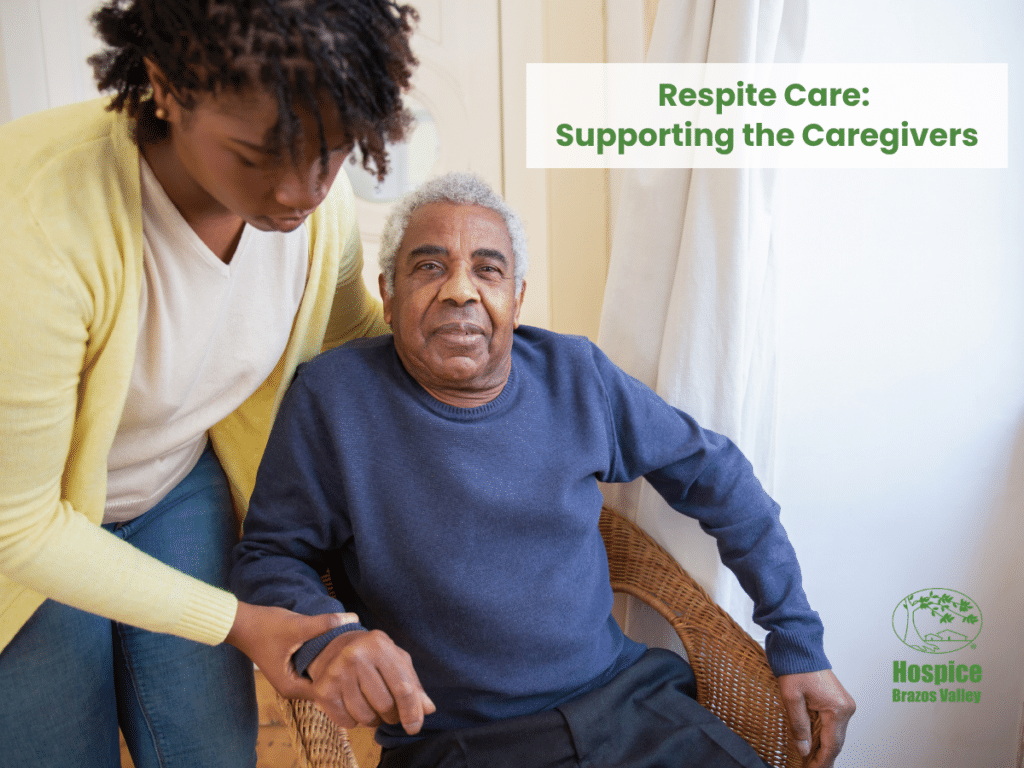
Respite Care: Supporting the Caregivers
Respite care is an essential part of many hospice programs, providing caregivers with time to care for themselves. While they rest or handle personal responsibilities, hospice aides and nurses continue to deliver compassionate medical care. This prevents burnout and strengthens families for the journey ahead.
Continuous Home Care for Advanced Needs
When symptoms become difficult to manage, continuous home care provides intensive support in the comfort of home. With 24-hour medical care, medical treatments, and appropriate medical equipment, Hospice Brazos Valley ensures that patients with complex needs receive expert care without unnecessary hospitalizations.
Personalized Care Plans
Each patient receives an individualized care plan tailored to their condition, preferences, and family dynamics. This includes:
- Specific strategies for pain relief and symptom control.
- Frequency of visits from hospice care providers.
- Guidance on personal care.
- Emotional and spiritual support options.
- Plans for using medical equipment and support resources.
This patient-centered approach allows families to remain in control of their care experience.
Hospice Care Providers: Guides in a Difficult Journey
A hospice provider does more than deliver medical care—they guide families through one of life’s most difficult transitions. Hospice care providers are trained to address the physical, emotional, and spiritual needs of terminally ill patients while supporting their loved ones every step of the way.
Medical Equipment and Treatments That Ease Discomfort
Hospice provides essential medical equipment like hospital beds, wheelchairs, and oxygen units to make life more comfortable. When necessary, medical treatments are used to relieve pain and manage symptoms effectively, often eliminating the need for frequent hospital visits or transfers to a skilled nursing facility.
Bereavement Counselors and Grief Support
One of the most compassionate aspects of hospice is its commitment to families after their loved one passes. Bereavement counselors provide grief support through counseling, phone calls, group meetings, and support services tailored to each family’s needs. This ongoing care ensures that no one grieves alone.
Preserving Dignity at the End of Life
End of life is a time for comfort, reflection, and connection. Hospice ensures patients spend their remaining time surrounded by care, respect, and love. Through pain management, personal care, emotional support, and spiritual support, hospice upholds each person’s dignity.
Why Hospice Matters
Hospice services focus on quality of life, not just length of life. They give patients the chance to spend their final months in comfort, surrounded by family members and supported by skilled professionals. From pain relief to grief support, hospice care is a promise of compassion, respect, and humanity.
If your loved one has a terminal illness or serious illness, and curative treatments are no longer the focus, reaching out to Hospice Brazos Valley can provide the comfort and support services your family needs. Hospice is not about giving up—it’s about living each moment fully and peacefully.
To learn more about hospice services and how they can help, visit hospicebv.org.
FAQs
When should someone consider hospice services?
Hospice services are typically recommended when a patient has a life expectancy of six months or less, as determined by a hospice doctor. However, hospice can also be beneficial earlier for individuals with a serious illness who need symptom management, pain relief, and emotional support. Early referral often improves comfort and quality of life.
Can hospice care be provided at home?
Yes. Most hospice patients receive care at home, but hospice services can also be provided in a skilled nursing facility, assisted living, or an inpatient hospice unit. This flexibility allows patients to remain in the environment where they feel most comfortable, supported by their hospice care team.
Does hospice only care for patients, or do they help families too?
Hospice supports both patients and their family members. Families receive education, counseling, respite care, and access to bereavement counselors and grief support. Hospice recognizes that caregiving can be overwhelming and provides support services before and after a patient’s passing.
Will choosing hospice mean stopping all medical treatments?
No. Hospice focuses on comfort rather than cure. Patients continue to receive medical treatments, pain management, and personal care designed to ease discomfort and maintain dignity. The care plan is personalized, ensuring the patient’s wishes and goals remain at the center of every decision.