When a loved one is facing a life-limiting illness and approaching the end of their lives, everything changes. From the moment a serious diagnosis enters the picture, not only the patient but every family member and caregiver feels the impact. At Hospice Brazos Valley, we believe that end-of-life care should enhance quality of life, honor personal wishes, and provide support for both the patient and the loved ones walking beside them.
Understanding What Hospice Means
Choosing hospice services does not mean you’re giving up. It’s about shifting the approach from treatment to comfort. This specialized type of care focuses on dignity, symptom relief, and emotional connection. It helps individuals living with chronic conditions or a life-limiting illness find peace in the time they have left.
A health care provider collaborates with the hospice team to create a personalized plan of care that aligns with what the patient wants most. This plan considers medical needs, emotional wellbeing, and spiritual needs, ensuring the whole person is supported.
Whether the dying person receives care at home, in a facility, or in a hospital, the hospice provider partners closely with the primary caregiver and family to deliver comfort, education, and guidance.

Improving Quality of Life in the Final Chapter
Even as life expectancy becomes limited, a meaningful and fulfilling life is still possible. The priority shifts to relief from suffering, presence with loved ones, and emotional peace.
The hospice team—including nurses, aides, chaplains, volunteers, social workers, and other healthcare professionals—works daily to ensure the patient remains comfortable. Effective pain management, symptom monitoring, and comfort care strategies help ease physical and emotional distress.
Practical supports also play a big role. Families receive equipment, supplies, and hands-on help with bathing, repositioning, and other tasks that may be overwhelming. This level of practical support frees loved ones to focus on time together rather than caregiving logistics.
The Role of the Hospice Staff and Health Care Provider
In hospice care, the patient’s health care provider works closely with the hospice staff to ensure all aspects of care reflect the individual’s goals. Together, they oversee symptom control, update the plan of care, and communicate clearly with the patient and their family.
This care is never one-size-fits-all. Whether the patient is managing chronic conditions, advanced cancer, or another life-limiting illness, the hospice team adjusts care according to changes in symptoms, preferences, and goals.
Emotional and Spiritual Support for Family Members
Family members often experience worry, grief, and confusion during this time. Hospice recognizes that caring for the emotional wellbeing of loved ones is just as important as caring for the patient.
Social workers and bereavement counselors provide space to talk openly, understand the process, and prepare for what lies ahead. They guide families through the complex emotions surrounding the dying person and help reduce fear during the final days.
Chaplains offer spiritual support, ensuring that families of all beliefs feel heard and respected. Whether traditional religious care or simply a comforting presence is needed, hospice makes space for reflection, peace, and connection.
Supporting the Primary Caregiver and Family
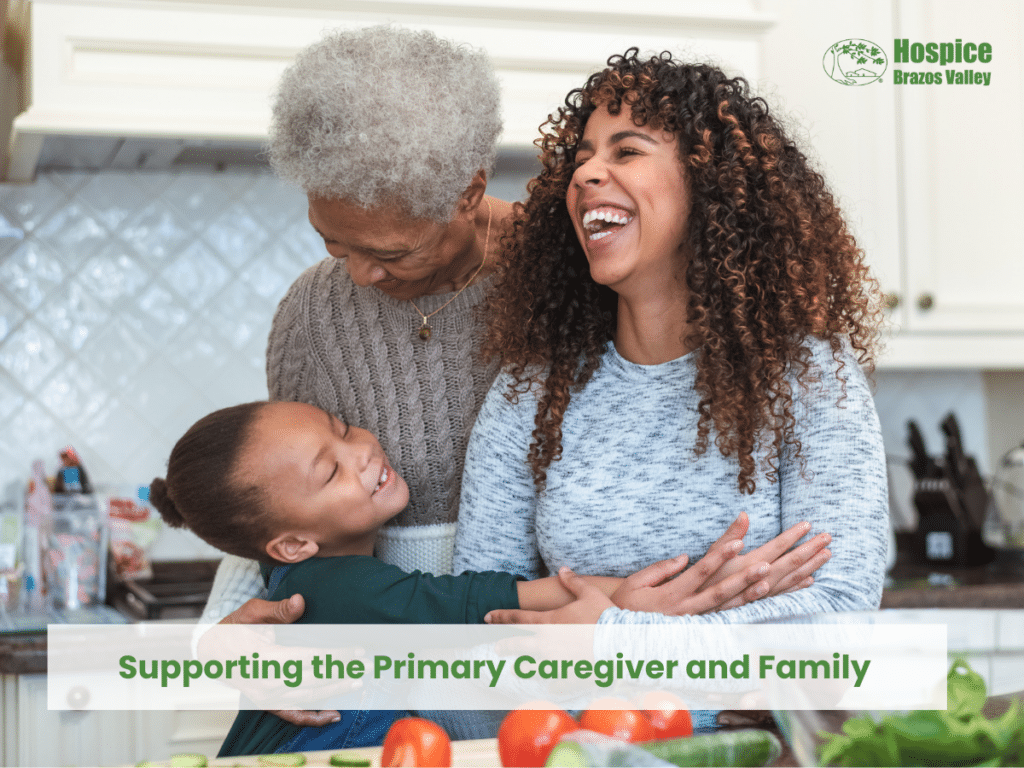
The primary caregiver—often a spouse, child, or close friend—carries a great emotional and physical load. Hospice steps in to provide relief, education, and reassurance.
The hospice provider can arrange respite care, offer 24/7 access for questions or emergencies, and coordinate adjustments as symptoms change. Family involvement is encouraged and supported, ensuring everyone feels prepared and informed.
As the dying person enters their final days, the care plan becomes even more focused on comfort, dignity, and honoring their wishes. The goal is always to provide peace, kindness, and stability, especially during moments of uncertainty.
Honoring Every Person at the End of Their Lives
Hospice Brazos Valley recognizes that while a life may be coming to a close, meaningful experiences remain possible. For the patient, hospice offers comfort, presence, and relief from pain. For family members, it provides support, understanding, and space for connection.
Whether someone is facing cancer, heart failure, advanced respiratory disease, or other chronic conditions, hospice helps ensure their end-of-life care reflects who they are and what they value most.
At Hospice Brazos Valley, we walk beside families through every step—honoring life, easing suffering, and helping create moments of peace in the end of their lives.
If you have questions or wonder whether hospice may be the right next step, we’re here to help with compassion and experienced guidance.
FAQ:
What types of medical care does hospice provide?
Hospice focuses on comfort care, including pain management, symptom relief, and compassionate patient care. The care team works together to address physical symptoms such as nausea, anxiety, shortness of breath, or discomfort associated with terminal illnesses and chronic diseases.
Do care teams include social workers?
Yes. Hospice care teams include nurses, aides, chaplains, volunteers, and social workers who support both the patient and family members emotionally and practically.
Can hospice help with heart disease or other chronic conditions?
Absolutely. Many patients begin hospice due to advanced heart disease, cancer, lung disease, dementia, or other chronic diseases and chronic conditions that significantly impact their quality of life or life expectancy.
What support is offered for spiritual needs?
Chaplains and spiritual counselors provide spiritual support, helping patients and family members find peace, meaning, or comfort during the dying process, regardless of faith background.
How does hospice guide families as someone nears the end of their life?
Hospice teams provide education, reassurance, and 24/7 support during the dying process and the end of their life. They help families understand what to expect, manage symptoms, and focus on meaningful connection.
Does hospice coordinate with my regular health care provider?
Yes. Hospice fully collaborates with your health care provider, if you choose, keeping them informed and ensuring your type of care aligns with your wishes and medical needs.